Kinesiology: Dangers to be aware of
Kinesiology is a soft approach which aims to balance body and mind by identifying sources of stress through the muscle test. But as with any method, it's natural to wonder whether there are any risks or undesirable effects. Here's a full rundown on the possible dangers, the limits, and the precautions to take before consulting a specialist.
Kinesiology is not medicine
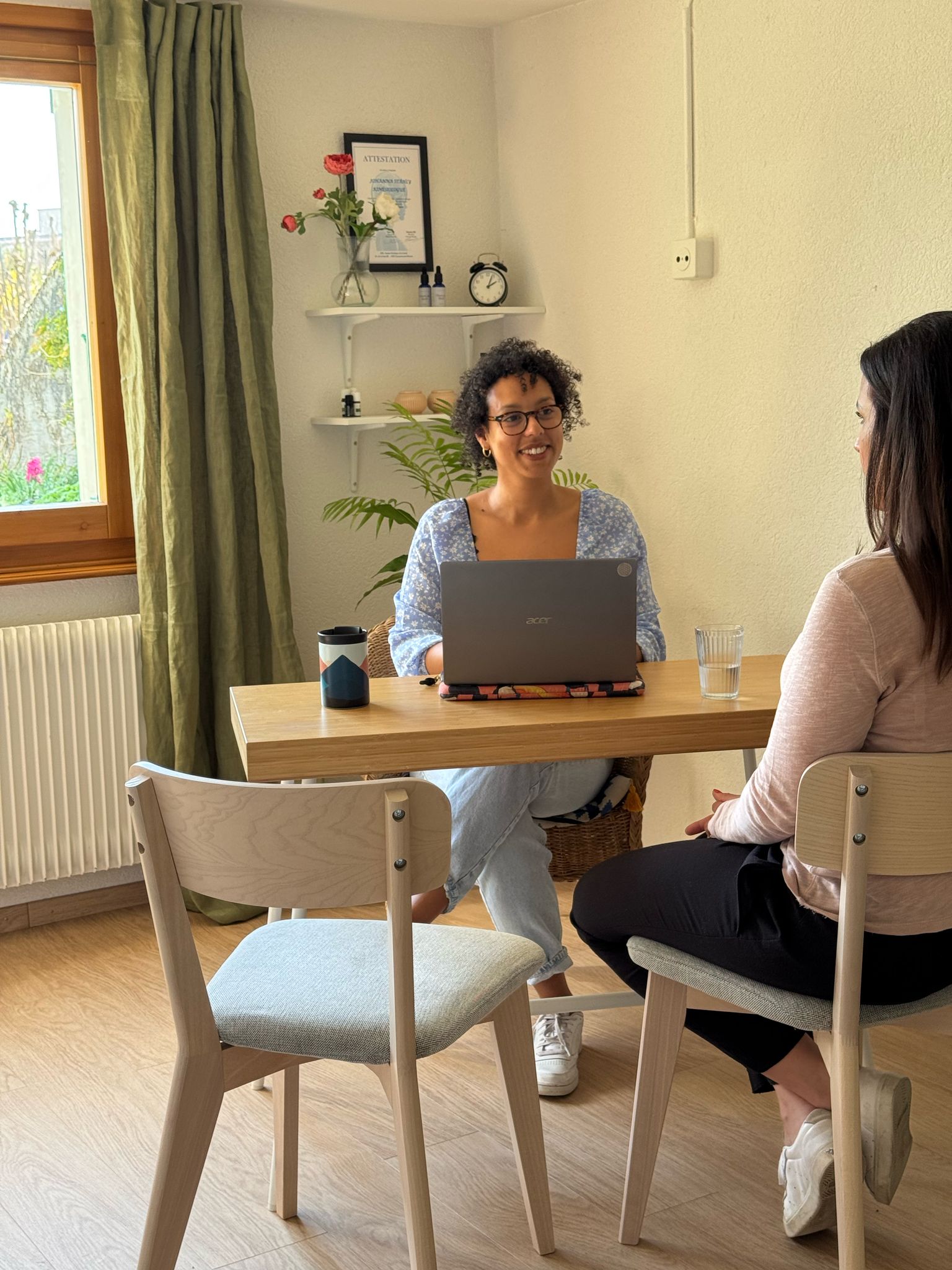
First and foremost, it is important to remember that kinesiology is neither medicine nor a medical treatment. It does not replace medical or psychological care, nor does it make a diagnosis. Its aim is to’helping people to understand themselves better, by releasing the emotional, physical or energetic stresses that can disrupt overall balance.
A gentle, non-invasive method
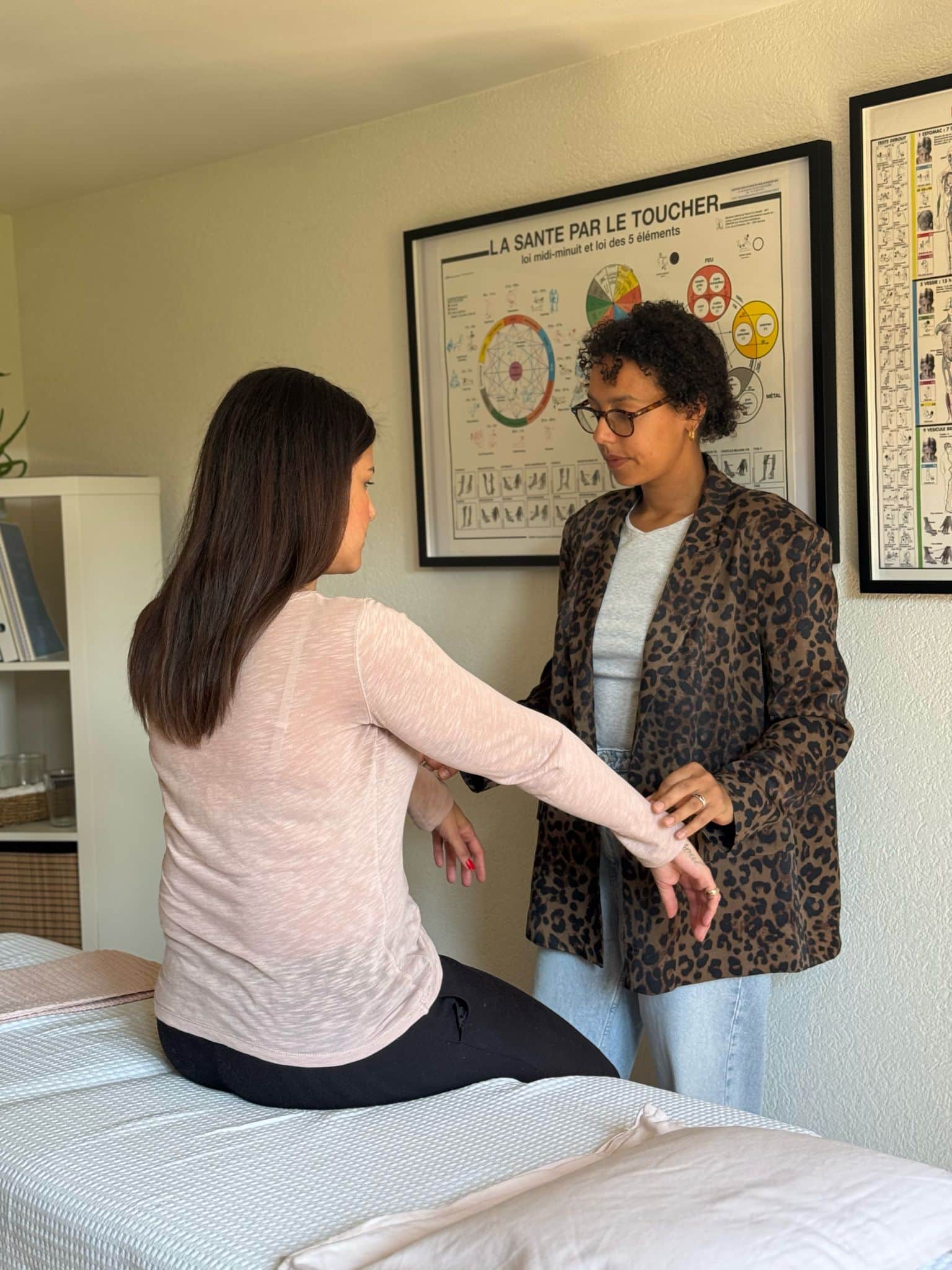
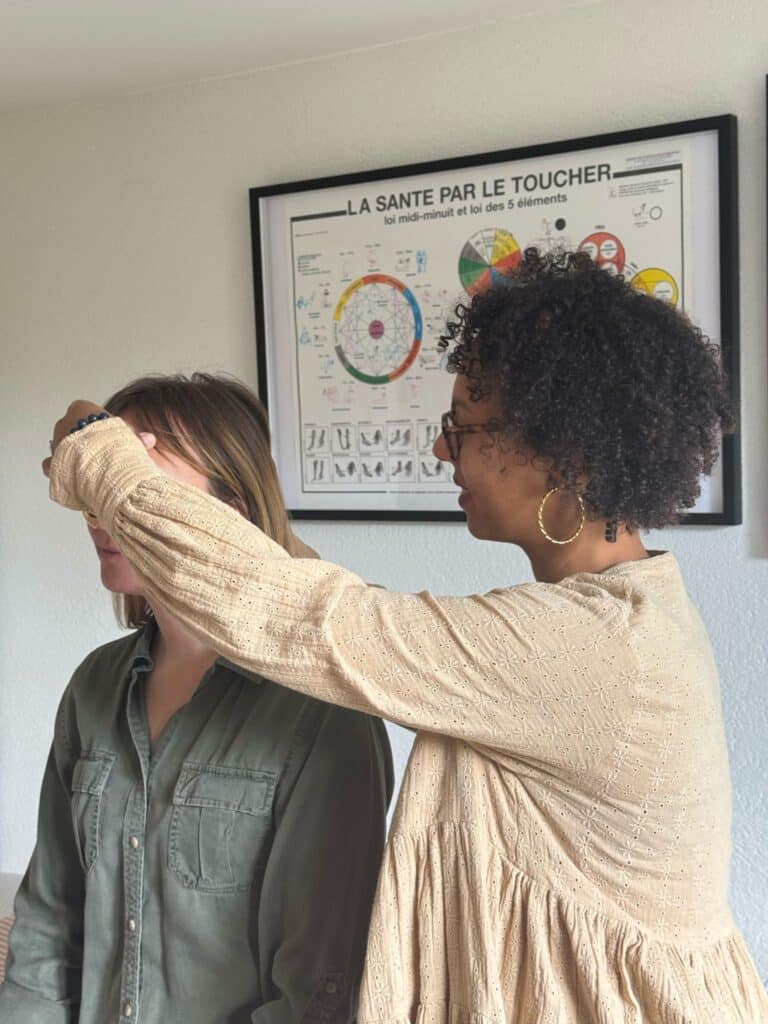
Kinesiology uses the muscle test, This is a tool that allows you to communicate gently with your body. It is not a manipulation, but a gentle touch that allows us to assess the tone of a muscle in response to stress. There is no joint manipulation or invasive apparatus. The method respects the individual's rhythm, and adapts to what the body is ready to release.
Are there any side effects?
Kinesiology is generally well tolerated. However, the following points should be borne in mind, some people may experience temporary fatigue, This is part of the integration process. This is part of the integration process.
These effects are temporary, and may indicate that the body is reacting to a major release. It is advisable to allow some quiet time after the session to allow the body to assimilate the changes.
What are the contraindications to kinesiology?
Kinesiology is accessible to all, whatever their age It adapts to the needs and abilities of each individual.
However, it is essential to note that :
- It does not replace medical advice. Any physical or mental pathology requires monitoring by a health professional.
- In the event of severe psychiatric disorder, Kinesiology may be contraindicated if the person does not have sufficient discernment to take an active part in the session.
- In a medical distress or emergency, Kinesiology is not the answer.
Apart from these specific cases, the method is safe and can be used to complement other therapeutic approaches.
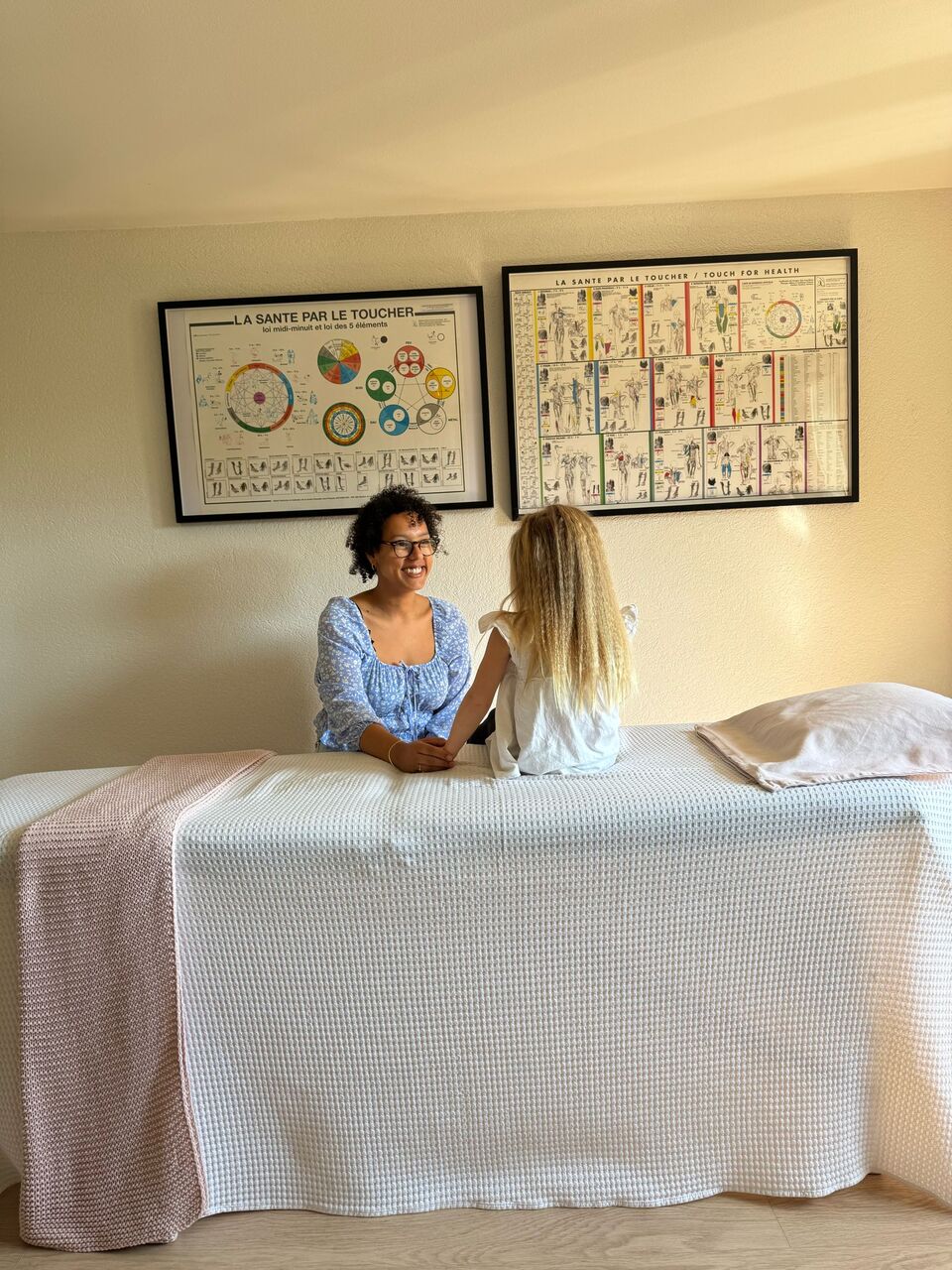
Kinesiology: a supervised practice
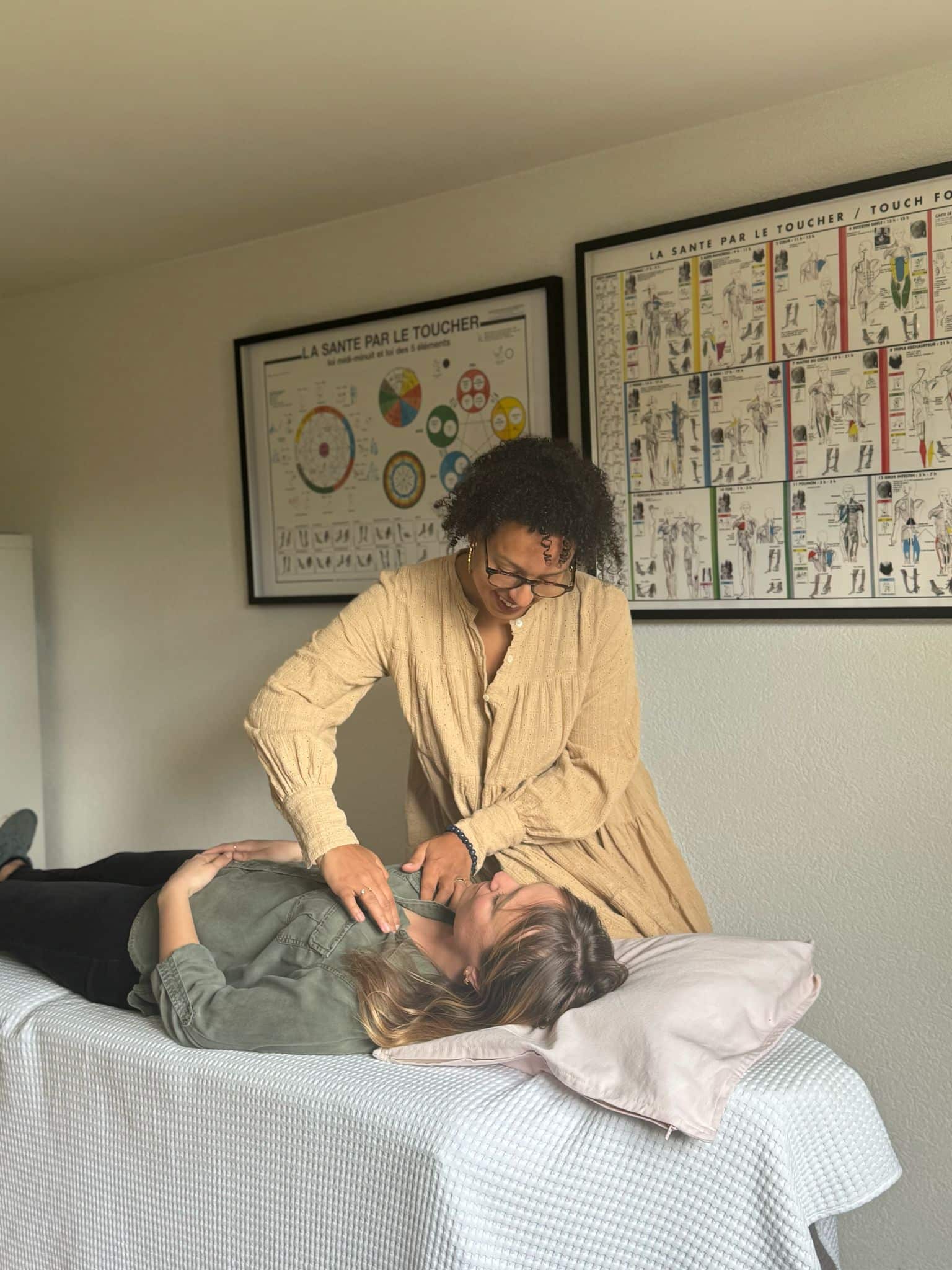
To limit the risks, it is essential to consult a trained and recognised practitioner. In Switzerland, some kinesiologists are accredited by the ASCA or the RME, which guarantees a high level of training and professional ethics.
What's more, kinesiology is only practised face-to-face, because muscle testing requires physical contact. Beware of proposals for video sessions, which do not respect the fundamentals of the practice.
What my customers say!



Kinesiology is an approach safe, gentle and respectful, It provides support without ever forcing you. It offers invaluable support at many moments in life: stress, fatigue, transition, strong emotions, relationship difficulties, maternity, etc.
Provided it is carried out by a competent professional, it presents no danger.
Would you like to discover kinesiology in a supervised and caring way? I welcome you to my practice in Gland for a tailor-made session in complete safety, whatever your age or situation.