
Kinesiology for stress
Feeling overwhelmed by pressure, mental fatigue or anxiety? When stress sets in, it short-circuits our thinking and exhausts our bodies. Fortunately, the Kinesiology offers concrete keys to unblocking these energy blocks. Immerse yourself in this practice to understand how to calm your mind and reactivate your natural self-healing resources.
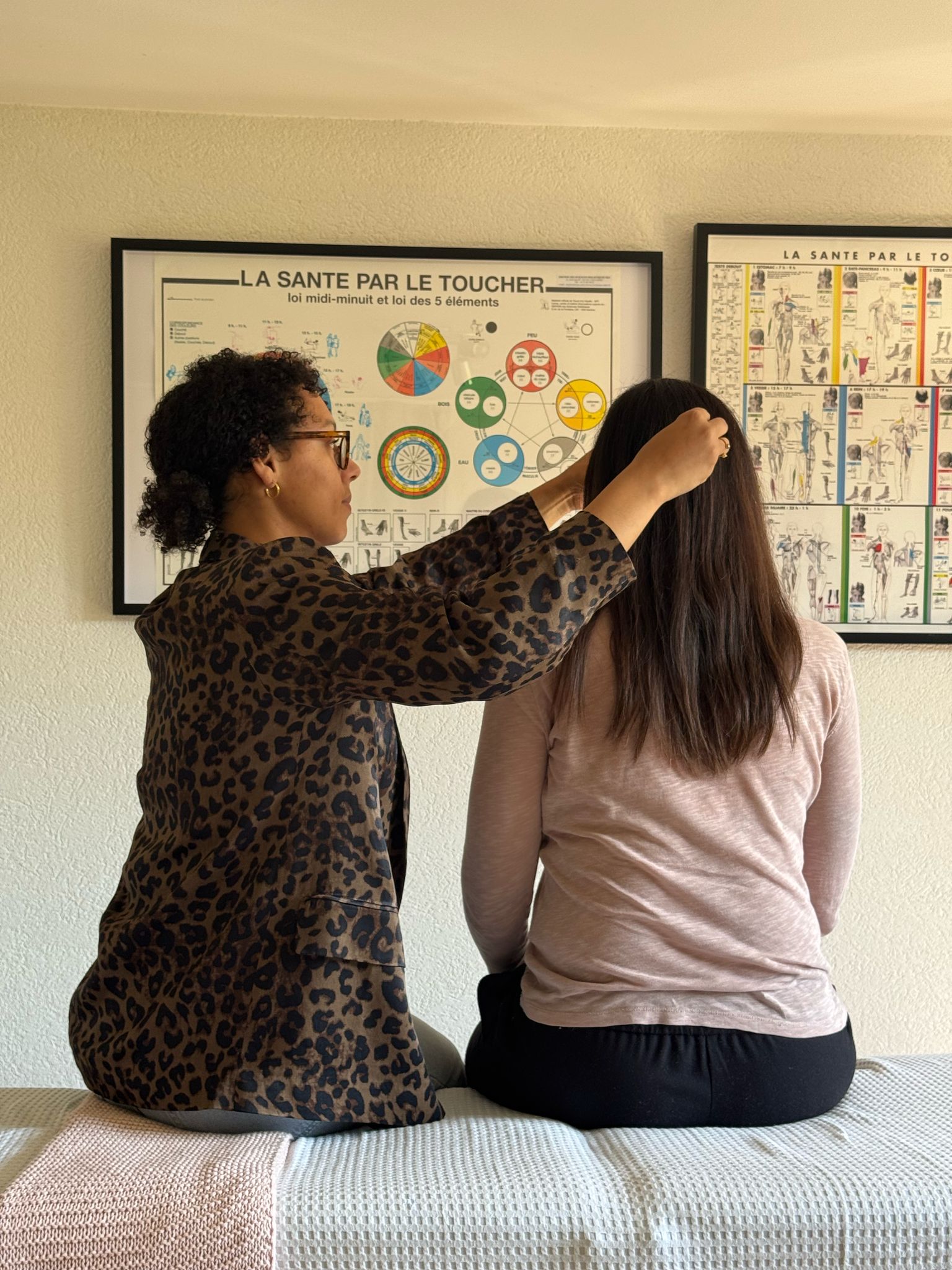

Definition of stress and its energetic impact
Stress is a physiological and emotional reaction of the body to a situation perceived as threatening or demanding. It can be acute, as a reaction to a one-off event, or chronic when it becomes established over time.
From an energetic point of view, stress disrupts the circulation of vital energy (Qi) in the body, causing blockages and imbalances that can manifest themselves in a wide variety of ways (muscular tension, sleep disorders, irritability, reduced ability to concentrate, hormonal imbalances, feelings of permanent fatigue, etc.).
Stress also has a non-conscious dimension: our body reacts to situations automatically, sometimes without us being fully aware of it, because these reactions are ingrained in our being as a necessary reaction (often due to past experiences).
Rebalancing and removing stress and blockages
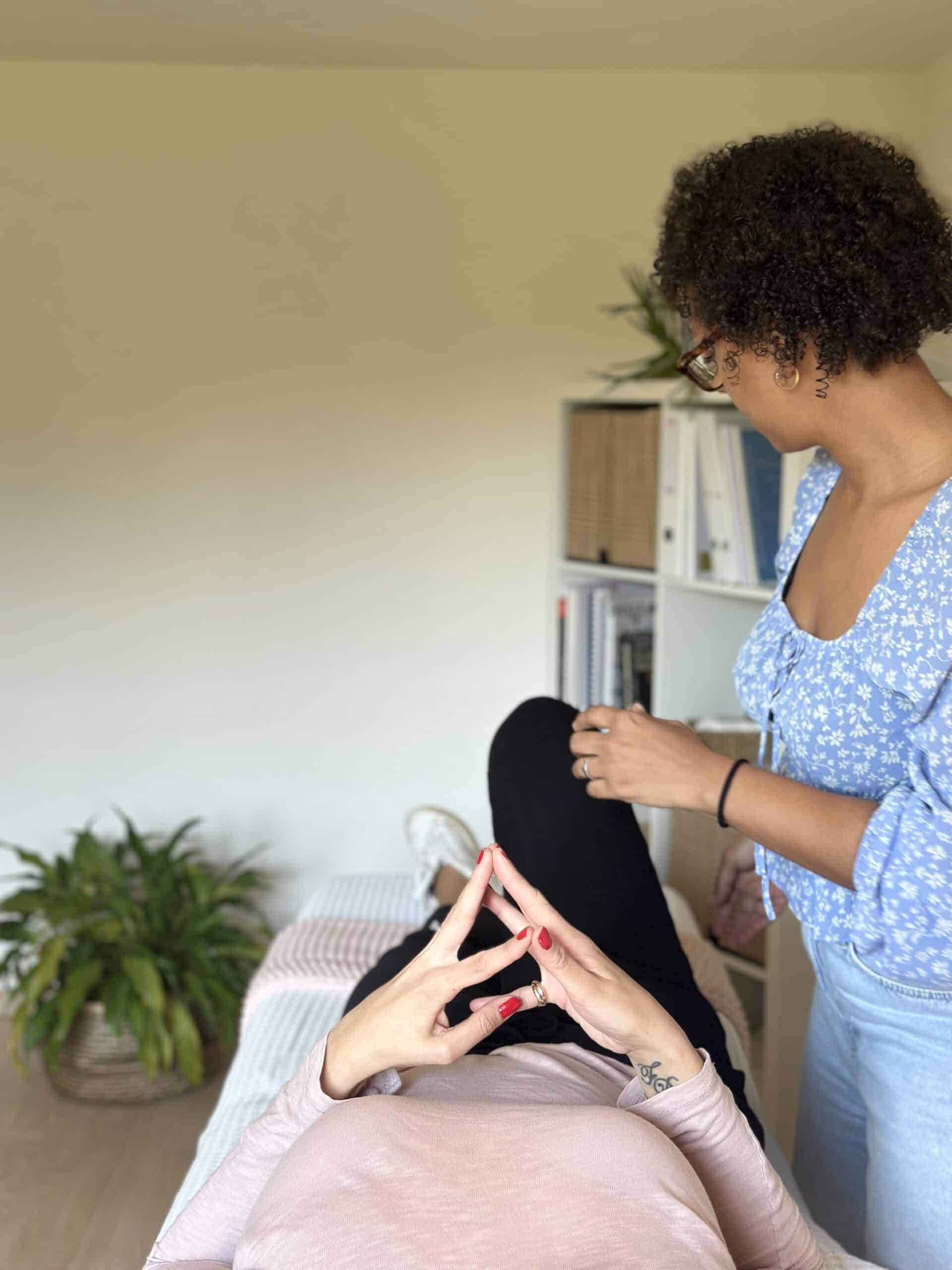
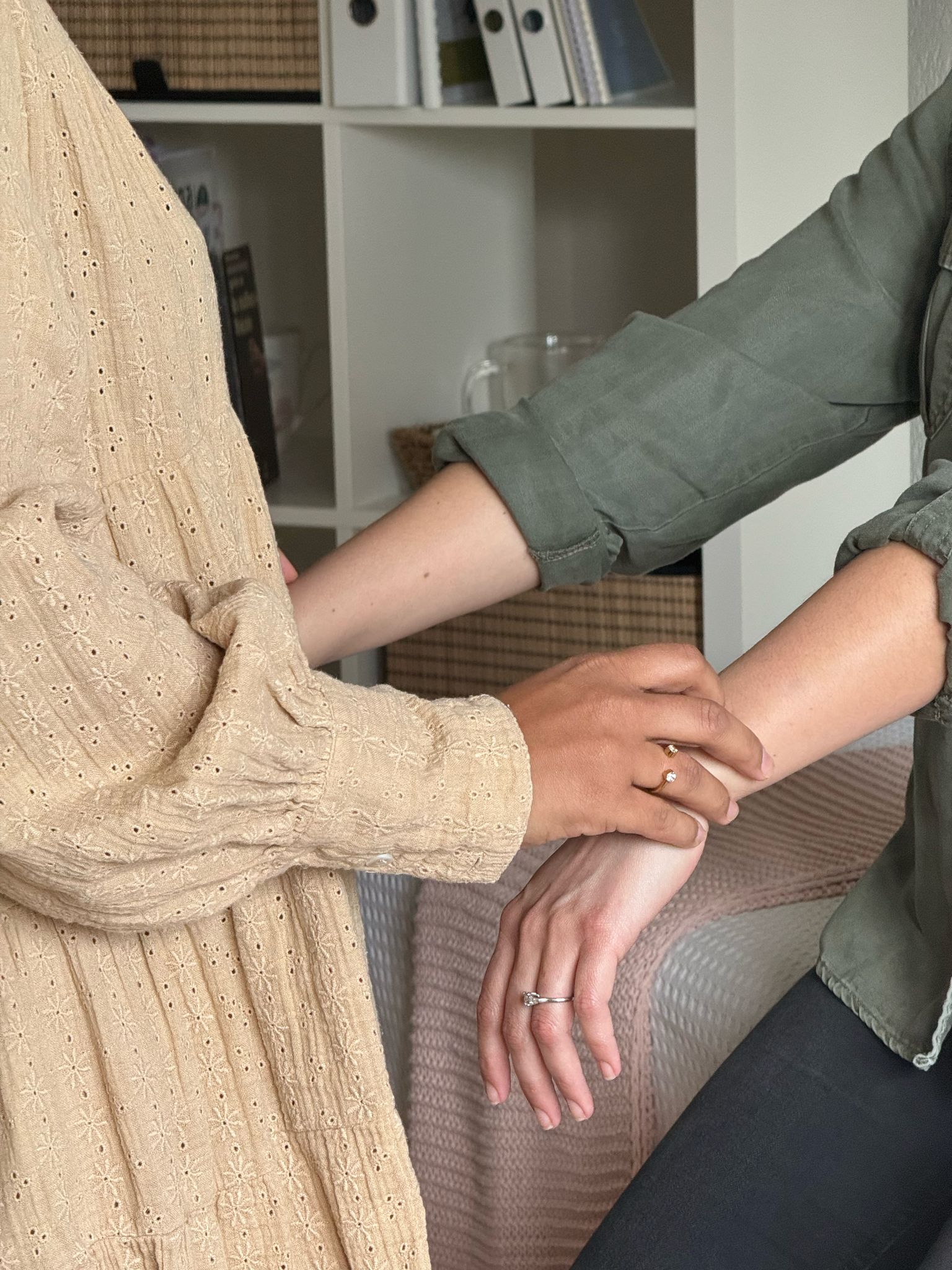
Kinesiology uses muscle testing to identify and relieve stress in the body. This approach helps to understand the origin of stress, whether physical, emotional or transgenerational, and to rebalance the body's energy.
Rebalancing techniques aim to restore a state of well-being by counteracting (neutralising) the nervous system's excessive reactions to stress. They help you to manage your emotions more effectively, improve your self-confidence and strengthen your internal resources in the face of difficult situations.

Neurophysiological mechanisms involved
Stress activates the hypothalamic-pituitary-adrenal axis, stimulating the production of cortisol and adrenaline. These hormones prepare the body for a fight-or-flight response, but prolonged stress can overload the nervous system, derailing our overall energy and weakening the immune system.
This reaction has a primitive origin: in the past, when humans were confronted with a real danger, such as an attack by a predator, their body would trigger a spike in cortisol to enable them to «run away» or fight. Today, the same mechanism comes into play in the face of modern stresses, such as pressure at work or tense exchanges on social networks. For example, when you receive a critical email from your boss, your body reacts as if it were facing a lion ready to attack, when objectively, there is no imminent danger. And if you're not running on a carpet when you receive that email, you won't be able to get rid of the spike in cortisol and adrenaline produced by your body.
These «false stresses» produce disproportionate physiological reactions.
What my customers say!



How the brain works
Stress has a direct impact on the brain. In a state of stress, the prefrontal cortex, which manages thinking and decision-making, is short-circuited. Blood flow is diverted to the limbic brain, which is responsible for emotional reactions.
Kinesiology works to restore balanced activation between the different parts of the brain, so that emotions can be better managed and mental clarity improved.
Specific anti-stress techniques
The frontal-occipital
Kinesiology offers natural solutions for reducing stress, calming the mind and restoring lasting emotional balance.
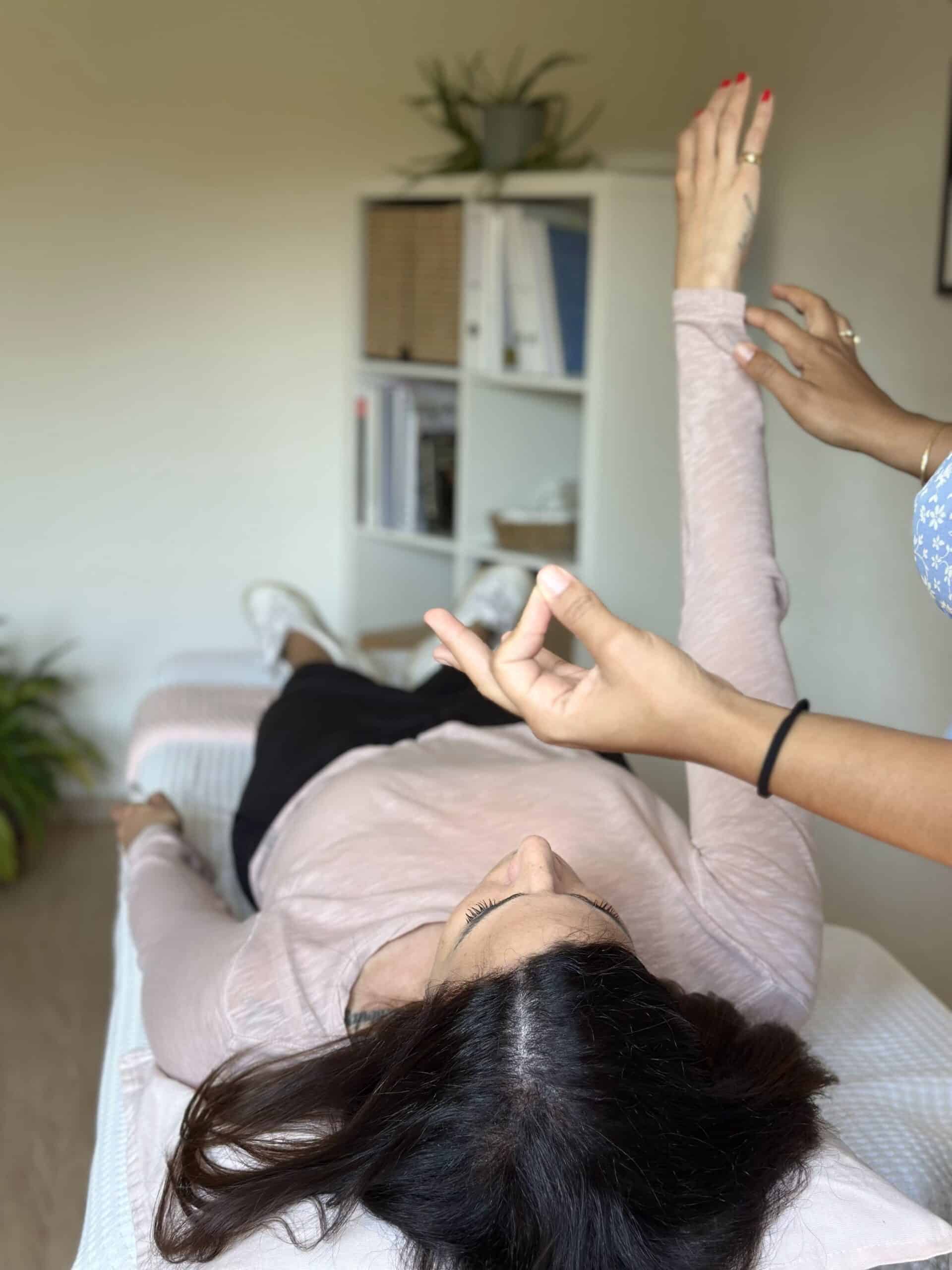
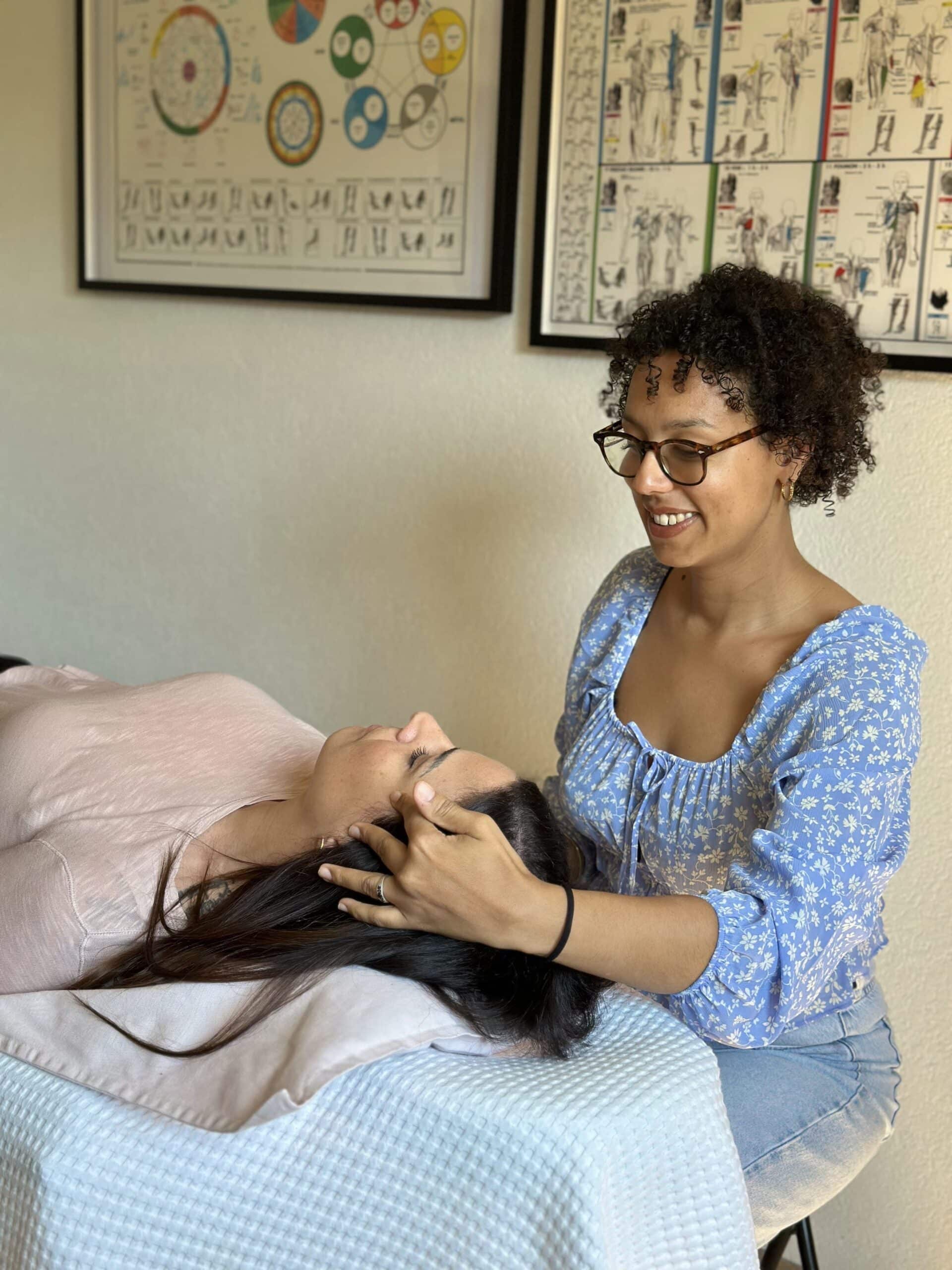
The frontal-occipital technique involves placing one hand on the forehead and the other on the back of the skull (occiput). It helps to reduce the emotional impact of stress by stimulating the connection between the prefrontal areas and the emotional memory.
Basically, the blood is pumped back into the prefrontal area where decision-making and reflection take place.
There are many techniques for managing stress using kinesiology, here are two easy exercises you can do at home.
The shoe box
If you have too many thoughts and ideas in your head (the famous little bike that goes round and round) and you really don't want to forget any of them, put them carefully in a shoebox. Then store the shoebox somewhere. You can go back to it as soon as you like and rest your brain in the meantime..
The flower
Close your eyes, imagine a flower and describe it (is it a cut flower, a flower in the ground? What shape is it? What colour, what smell? ). Next, create an image or object that represents your negative energy or stress and place this image at the heart of the flower. What happens to the flower? Does it wilt? Does it change colour?
Then destroy the flower, make it disappear somehow along with the negative image it contains. No trace of the flower should remain. Eliminate it completely!
Combination with Bach Flower Remedies
Bach Flower Remedies provide additional support by acting on the disruptive emotions linked to stress. They are a perfect ally to kinesiology.
Here are a few examples of essence for stress management:
- Rescue For situations of acute stress and emotional shock.
- Elm For mental overload and loss of confidence due to excessive pressure.
- White Chestnut to calm intrusive thoughts that go round and round
- Aspen for unexplained fears
Kinesiology, combined with stress management techniques and Bach Flower Remedies, is a comprehensive and effective approach to restoring lasting emotional and energetic balance, taking into account both the conscious and unconscious aspects of stress.
Stress is a natural reaction, but when it lasts, it exhausts the body and clouds the mind. Thanks to kinesiology and Bach Flower Remedies, you can learn to release these tensions, regain inner balance and regain control over your emotions. Your body has all the resources it needs to deal with stress, but sometimes all it needs is a little help to reactivate its self-healing potential.
If you're feeling overwhelmed by stress or want to explore a gentle, natural approach to regaining your balance, I invite you to book a kinesiology session at my practice in Gland (Vaud). Together, we'll identify and remove the blocks that are preventing you from moving forward, so that you can finally breathe more freely and live more serenely.

